Chiropractic Care for Running Injuries in Downtown Bellevue – PrimeSpine
Structured chiropractic care to support recovery from overuse injuries, improve mobility, and help runners return to activity safely.
Book an Appointment
Running injuries often begin with mild symptoms that can become more limiting over time. Patients often seek evaluation when they experience:
These symptoms are often associated with overuse, training load, movement restrictions, or running mechanics. Early evaluation may help reduce the risk of symptoms becoming more persistent.
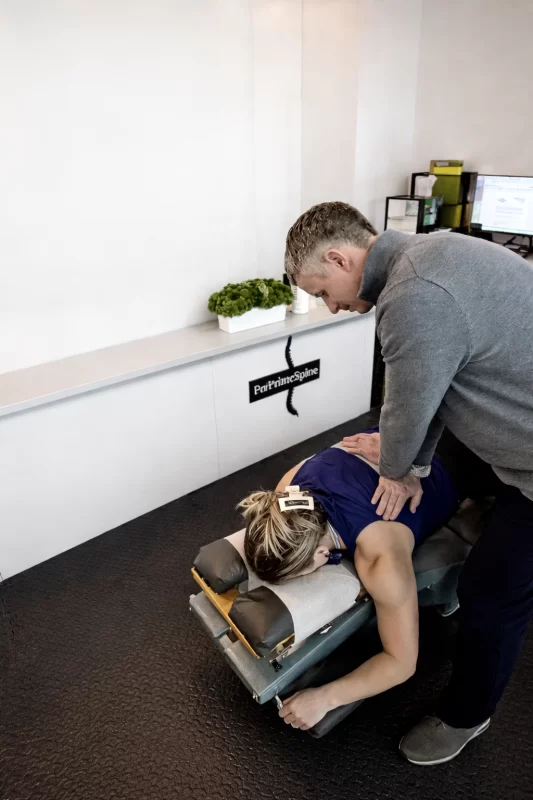
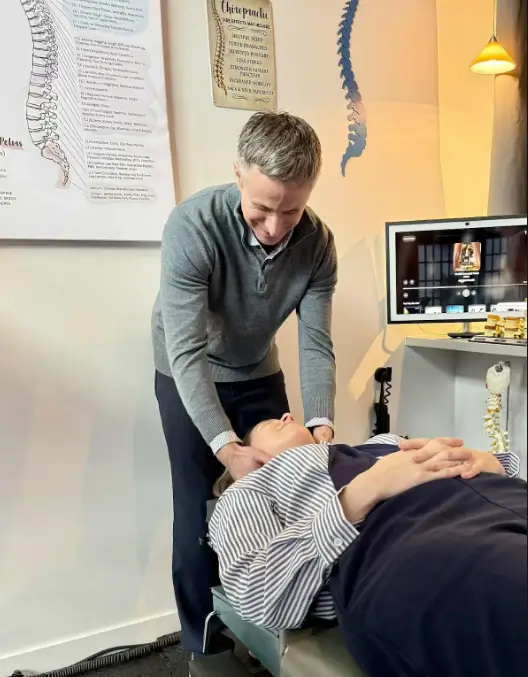
Running places repetitive stress on joints, muscles, and connective tissues. Movement restrictions and joint dysfunction can increase strain during running and contribute to injury-related symptoms.
Chiropractic care may help:
Our goal is to support recovery, improve movement quality, and help you return to running with greater comfort and confidence.
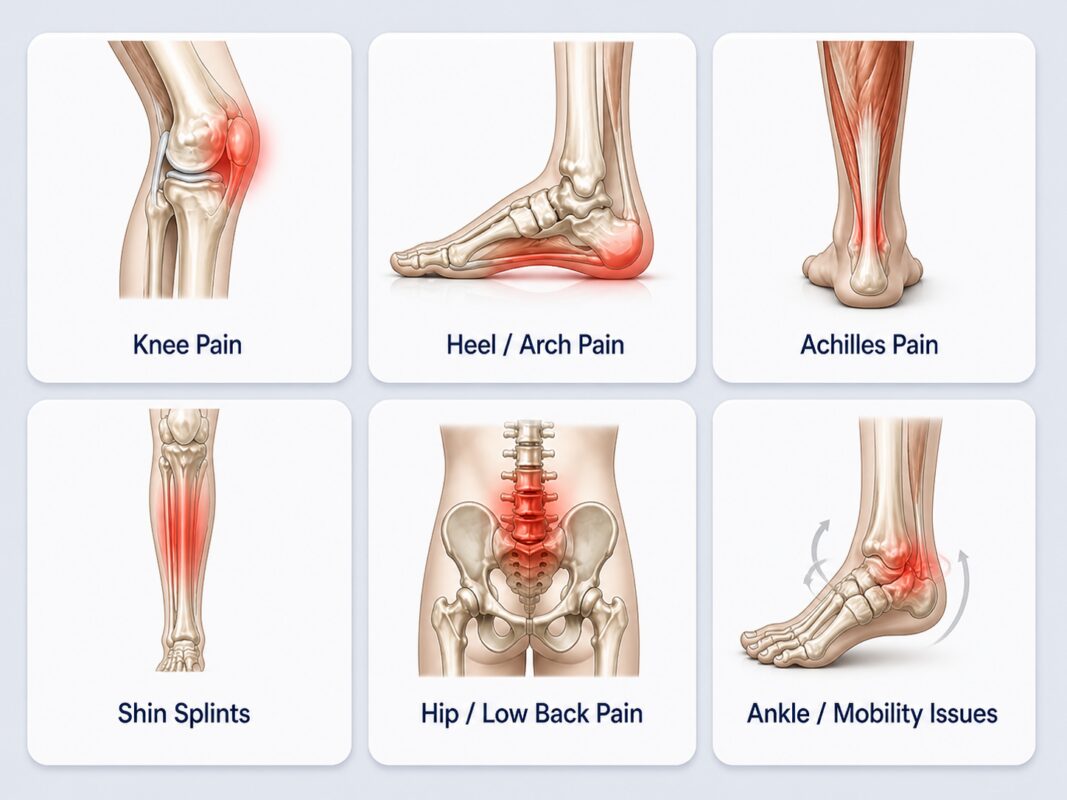
Book an AppointmentOur clinic provides running injury care for conditions such as:
Each condition is evaluated carefully to develop a treatment plan focused on recovery, function, and safe return to activity.
Runners across Downtown Bellevue trust PrimeSpine because we combine experience with a deep understanding of movement and performance. Our care is shaped not just by clinical training, but also by real-world insight—Dr. Ben Baker is an experienced runner who has completed the Boston Marathon, has managed his own running injuries, and holds a Certified Strength and Conditioning Specialist (CSCS) credential.
Here is how we help:

We evaluate contributing factors and build your treatment plan around recovery, function, and a gradual return to activity.

Our doctors of chiropractic include Dr. Ben Baker, a CSCS-certified chiropractor and competitive runner who has completed the Boston Marathon, bringing firsthand understanding of the demands running places on the body.

We work with most major insurance plans and directly process your claims so you can spend more time focused on your recovery.

Our treatment approach is designed to support recovery, mobility, and return to activity:
This integrated care is intended to reduce pain, improve movement quality, and support return to activity.
If running pain is affecting daily activity or training, our clinic can provide an evaluation.
PrimeSpine provides personalized running injury care in Downtown Bellevue to support recovery, improve function, and help patients return to routine activity.
Chiropractic care may help improve joint function and mobility, which can support comfort and movement during recovery. It may also address movement restrictions and biomechanical factors that contribute to running-related symptoms. This approach is intended to support recovery and reduce the likelihood of ongoing strain or recurring symptoms.
If your pain lasts more than a few days or gets worse during activity, it’s a good idea to get evaluated. Early evaluation may help reduce the chance of symptoms becoming more persistent or limiting. It can also help guide a safer and more appropriate return to running based on your condition.
Yes, poor running form can put extra stress on certain muscles and joints. Over time, this can lead to common issues like knee pain or shin splints. Improving running mechanics may help reduce strain and lower the risk of recurring symptoms.